




How Much Does a Handpan Cost? A Handpan Price Guide
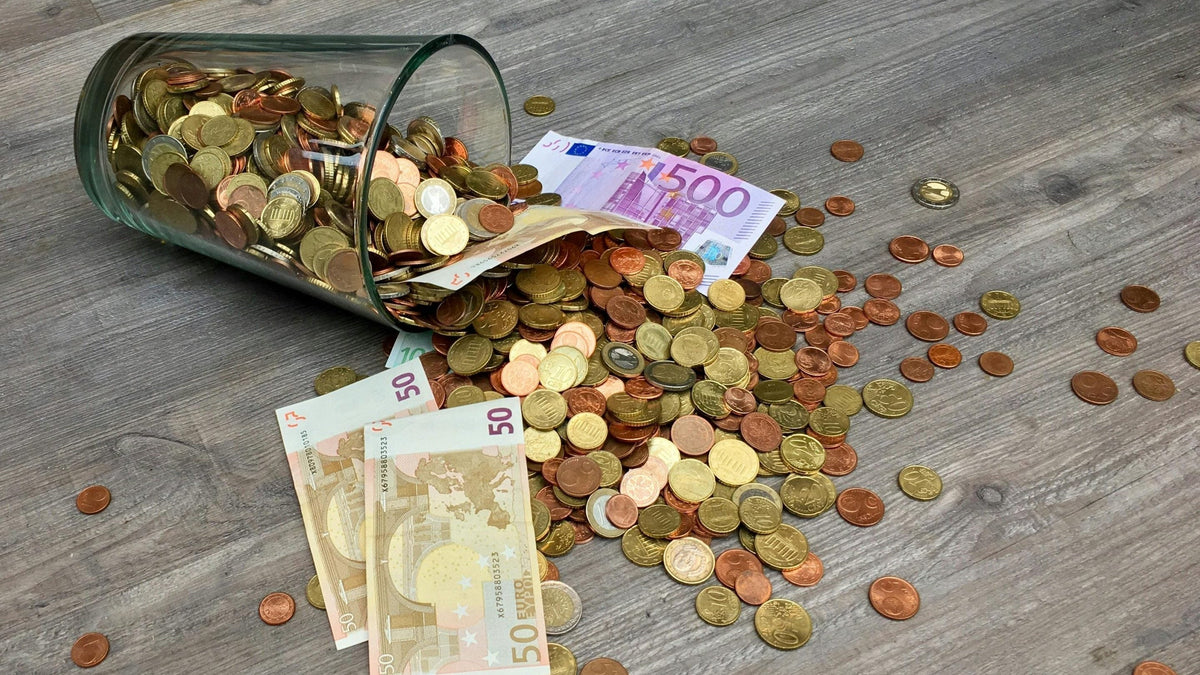
A good handmade handpan usually costs between €800 and €5000. Where an instrument lands in that range depends on the maker, the material and the number of notes. Factory made handpans start at around €400, but they come with compromises in sound and durability.
Handpans are unique musical instruments that attract attention not only because of their beautiful sound, but also because of the craftsmanship involved in their creation.
If you are researching the instrument, one of the first questions that often arises is: why are handpans so expensive?
In this guide we explain why handpans are expensive, what determines the price of a handpan, and what you should consider when choosing one.
If you're still exploring how to choose the right instrument, you may also enjoy reading our guide on how to recognize a high-quality handpan.
Why Are Handpans So Expensive?
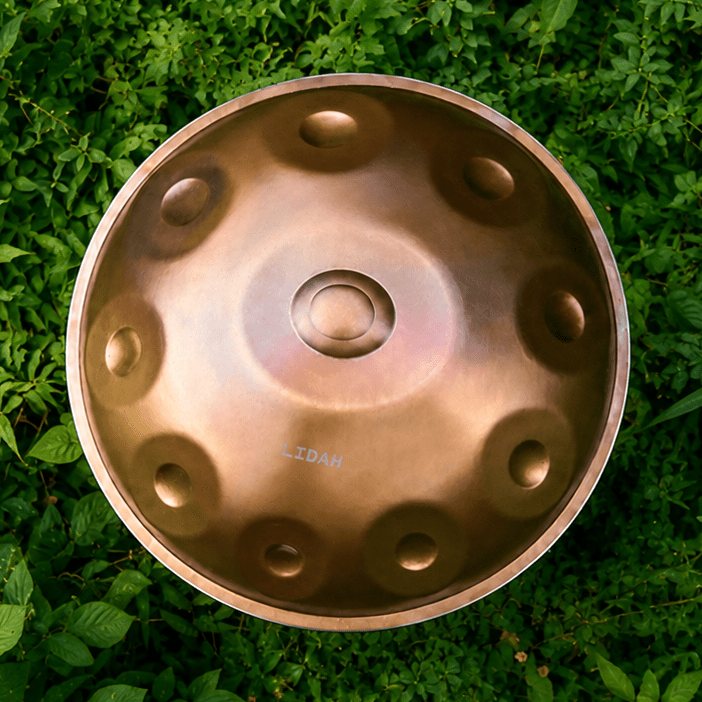
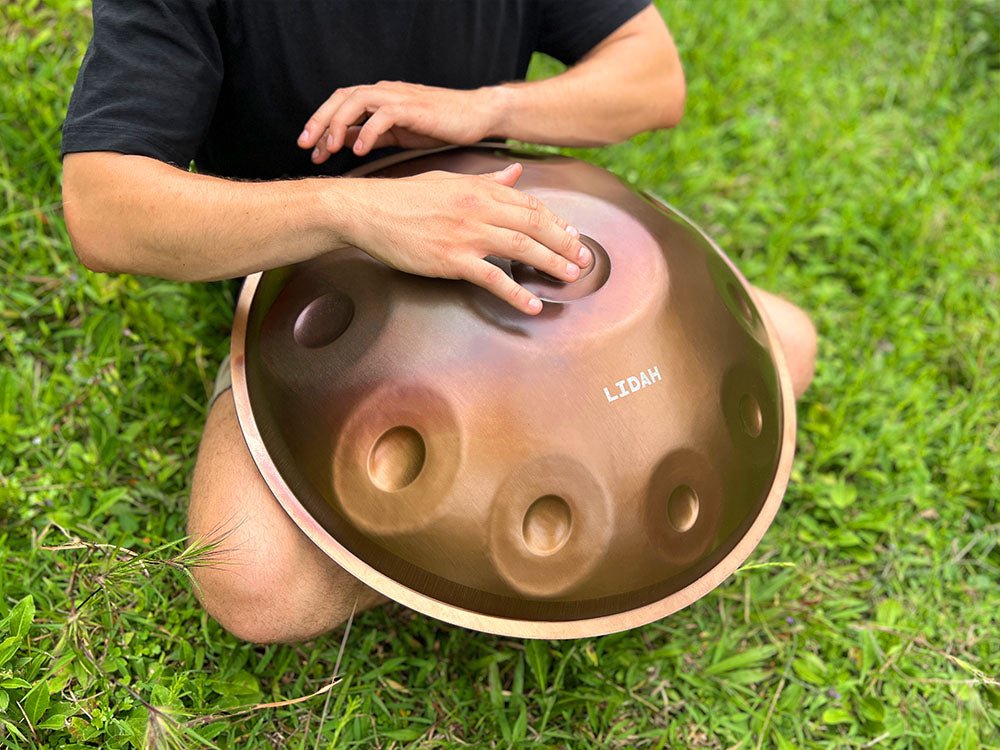
A handpan is an extremely complex instrument to produce. The relatively high price reflects the time-consuming production process, the craftsmanship involved, and the cost of specialized materials.
Unlike many mass-produced musical instruments, most handpans are carefully handcrafted, which requires both skill and patience.
Several factors influence the price of a handpan.
Time-Consuming Craft Process
Making a handpan is a highly specialized craft that takes significant time and precision.
An experienced handpan maker will spend multiple days, and sometimes even a full week, creating a single instrument. The metal must be shaped, tuned, and refined through multiple stages to achieve the correct resonance and tonal balance.
Each individual note is tuned carefully by hand. This tuning process requires a great deal of patience and expertise, and often involves multiple tuning sessions before the instrument reaches its final sound.
Because of this labor-intensive process, the time investment per instrument plays a major role in the final price.
Cost of Materials
Handpans are typically made from specialized steels such as:
- Nitrided steel
- Stainless steel
- Ember steel
These metals are chosen because they provide the right combination of strength, resonance, and durability.
High-quality steel is not inexpensive, and the material must be carefully processed during the production of the instrument. The quality of the steel plays an important role in the final sound of the handpan, as it forms the foundation for its resonance and tone.
If you're interested in learning more about these materials, you can read our guide on which steel to choose for your handpan.
Specialized Tools and Equipment
Creating a handpan also requires specialized tools and equipment.
Handpan makers typically use tools such as:
- Shaping hammers
- Industrial ovens
- Tuning rings
- Specialized tuning equipment
These tools must be precise and reliable in order to achieve the correct shape and tuning of the instrument.
The purchase, maintenance, and use of this equipment adds additional costs to the production process.
Limited Production
Because the handpan production process is so time-intensive, a single maker can only produce a limited number of instruments per month.
Unlike factory-produced instruments, handmade handpans are often produced in small batches or even individually.
This limited production contributes to the exclusivity of the instrument. Many well-known handpan makers even have waiting lists for their instruments, which can further influence the price.
Number of Notes
Another factor that influences the price of a handpan is the number of notes.
Most standard handpans contain 9 or 10 notes, which offer a good balance between playability and production complexity.
Handpans with more notes, such as 13 to 21 notes, require additional shaping, tuning, and careful placement of the tone fields. This significantly increases the time and complexity involved in producing the instrument.
As a result, handpans with more notes often come with a higher price.
If you're unsure how many notes you actually need, you may also find our article helpful about how many notes a handpan should have.
Cheap Handpans: What to Expect
While handmade handpans typically fall within the €800 to €5000 range, cheaper handpans do exist on the market.
These are often machine-produced instruments manufactured in larger factories. Because they are produced in large quantities, these instruments are usually much more affordable.
However, there are a few important differences to consider.
Mass Production
Machine-made handpans are produced at a much faster pace and with less individual attention compared to handmade instruments.
While this allows manufacturers to lower the price, the level of precision in shaping and tuning is lower than with handcrafted instruments.
This often results in differences in sound quality and tonal balance.
Lower Material Quality
Cheaper handpans often use lower-grade materials.
The steel used in these instruments doesn’t offer the same durability, stability or resonance as the materials used by experienced handpan makers.
In fact, the steel alone that handcrafted makers use often costs more than an entire mass-produced handpan shipped from overseas.
Because of the lower quality materials and rushed manufacturing processes, cheaper instruments can go out of tune more quickly or develop sound issues over time.
Lack of Transparency
Another factor to consider when purchasing a cheaper handpan is the lack of transparency about the production process.
With handmade instruments, it is usually clear who the maker is and how the instrument was crafted. With mass-produced instruments, it is often difficult to find information about the manufacturing process or the people behind the instrument.
For many buyers, this lack of transparency can lead to doubt about the quality and ethics of the instrument.
Standard Handpan Models and Accessibility
Many handpan makers offer standard models with 9 or 10 notes or mini models.
These instruments are often the most accessible in terms of price because they provide a good balance between:
- Number of notes
- Playability
- Production complexity
For beginners, a mini handpan or a standard handpan with 9 or 10 notes is often more than enough to create a wide range of melodies and rhythms.
If you are starting out with the instrument and have a limited budget, choosing a standard model with 9 or 10 notes or a mini model can be a great option.
You can also read our guide on which handpan scale to choose if you're still deciding which instrument suits you best.
Conclusion
Choosing a handpan is an investment, and price is naturally an important factor in that decision.
High-quality handmade handpans typically range between €800 and €5000, depending on the maker, the materials used, the number of notes, and the complexity of the instrument.
Cheaper handpans may seem attractive because of their lower price, but they come with compromises in sound quality, durability, craftsmanship and ethical questions.
When choosing a handpan, it is worth considering not only the price, but also the long-term value of the instrument. A well-crafted handpan can provide many years of musical enjoyment and remain a beautiful instrument for a lifetime that holds its value.
If you have any questions about handpans, feel free to message us on WhatsApp or use our contact form. We are always happy to help you find the instrument that suits you best.
You can also explore our handcrafted handpans and discover the different scales and materials available.
Frequently Asked Questions
Why are handpans so expensive?
Handpans are handcrafted instruments that require many hours of shaping, tuning, and refinement by experienced makers. The materials and specialized tools used in the process also contribute to the price.
What is the average price of a handpan?
Most high-quality handmade handpans range between €800 and €5000 depending on the maker, material, and number of notes.
Are cheap handpans worth buying?
Cheaper handpans might be suitable for experimentation, but they offer lower sound quality, can go out of tune faster than handcrafted instruments and raise ethical questions.