




How Many Notes Should a Handpan Have?
When you are looking to buy a handpan, one of the most common questions is:
how many notes should my handpan have?
The number of notes on a handpan influences several important things:
-
How easy the instrument is to learn
-
How much musical variation you can create
-
How complex the instrument becomes
-
The price of the handpan
Some handpans have 6 or 7 notes, while others can have 20 or more notes. Choosing the right number of notes helps you find an instrument that fits your playing style and experience level.
If you are completely new to the instrument, you may also want to read our guide explaining what a handpan is and how it works.
In this guide, we explain how many notes a handpan can have and how to decide how many notes your handpan should have.
How Many Notes Does a Handpan Usually Have?
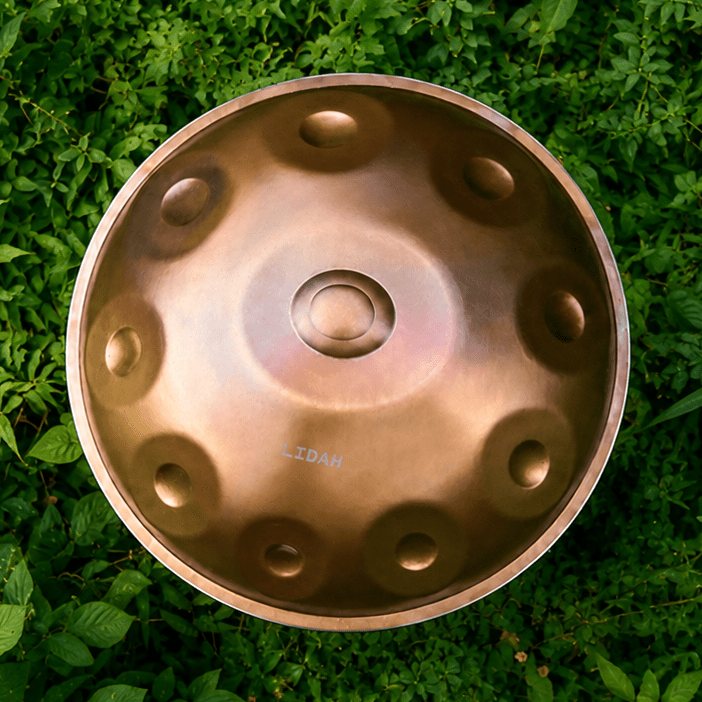
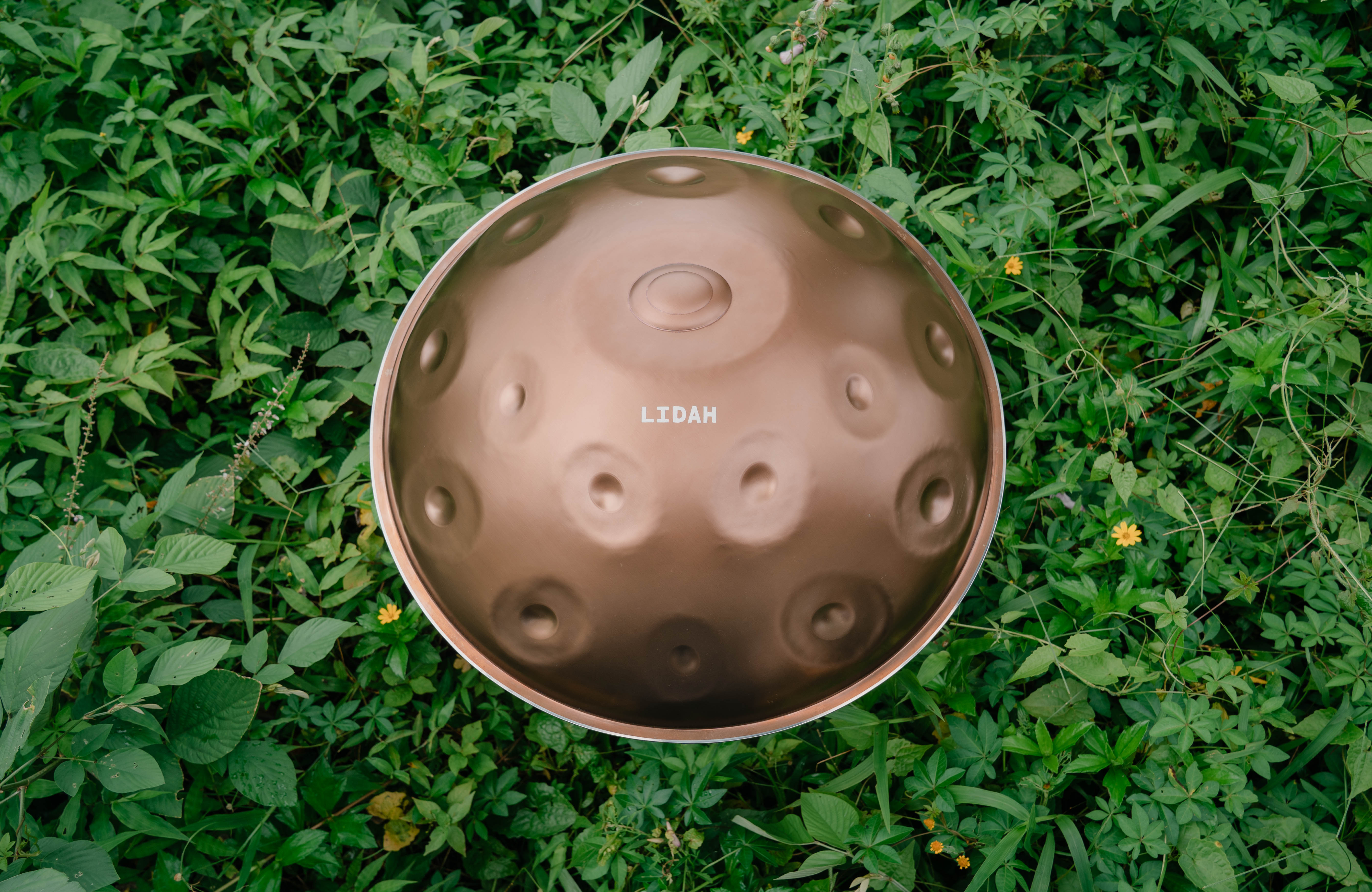
Most handpans contain 9 or 10 notes on the top of the instrument, including the central note called the ding. This layout has become the most common design because it offers a great balance between:
-
Musical possibilities
-
Playing comfort
-
Tuning stability
The notes are arranged around the ding so they can easily be reached while playing.
Because of the limited space on the top shell of the instrument, 10 notes is usually the practical maximum on the top of a handpan.
How Many Notes Should Your Handpan Have as a Beginner?
If you are buying your first handpan, a model with 9 or 10 notes is usually the best choice. This number of notes gives you enough freedom to:
-
Create melodies
-
Play rhythms
-
Improvise intuitively
At the same time, the instrument remains simple and easy to learn.
Because all notes belong to the same musical scale, they naturally harmonize with each other. This means you can explore the instrument without worrying about playing wrong notes.
For many players, a 9 or 10 note handpan remains the perfect instrument even after years of playing.
If you are choosing your first instrument, you may also enjoy our guide on the best handpan for beginners, where we explain the most beginner-friendly scales and setups.
Mini Handpans: Fewer Notes but Compact and Simple
Mini handpans are smaller instruments that usually contain between 6 and 9 notes. Because the instrument itself is smaller, there is less space to place additional tone fields.
Mini handpans are a great option if you want:
-
A lightweight instrument
-
Something easy to travel with
-
A simple and intuitive playing experience
Although mini handpans contain fewer notes than standard handpans, they can still produce beautiful music and are often used for meditation, relaxation, and travel.
If portability is important to you, a mini handpan with 6–9 notes can be a great choice.
Extended Handpans: More Notes for Advanced Playing
Some handpans contain more than 10 notes. These instruments are often called extended scale handpans.
Because the top surface of the instrument usually holds around 9–10 notes, additional notes are often placed on the bottom shell of the handpan.
Extended handpans can contain: 13, 17 or more than 20 notes. In some designs, the total number of notes can reach 21 or even 22 notes, depending on the layout of the instrument.
These handpans offer a much wider musical range, but they are also more complex to build and to play.
Should Your Handpan Have More Notes?
More notes can give you more musical possibilities, but they also make the instrument more complex.
For example: A handpan with 13+ notes allows you to play more elaborate melodies and explore additional harmonies.
However, it also means:
-
More notes to reach while playing
-
Different playing technique and style to use bottom notes
-
A higher price
For most beginners, starting with 9 or 10 notes is usually the most enjoyable option.
Why Handpans With More Notes Are More Expensive
The number of notes on a handpan directly affects the price of the instrument.
Each tone field must be:
-
Shaped into the metal
-
Precisely tuned
-
Balanced with all other notes
Adding additional notes — especially on the bottom of the instrument — increases the complexity of the tuning process.
Because of this, extended handpans with bottom notes or more top notes are typically more expensive than standard handpans.
Other factors such as the type of steel used also influence the sound and cost of the instrument. In our guide on which type of steel to choose for your handpan, we explain how materials influence sustain and resonance.
Choosing the Right Number of Notes for Your Handpan
When deciding how many notes your handpan should have, it helps to think about how you want to use the instrument.
A 9 or 10 note handpan is often the best choice if you:
-
Are buying your first handpan
-
Want a balanced and versatile instrument
-
Prefer simplicity and intuitive playing

A mini handpan (6–9 notes) may suit you if you:
-
Want a compact and portable instrument
-
Prefer simplicity and intuitive playing
- Travel frequently with your handpan

An extended handpan (11+ notes) might be interesting if you:
-
Already have experience playing handpans
-
Want a wider musical range
-
Enjoy exploring more complex melodies

Frequently Asked Questions
How many notes does a handpan usually have?
Most handpans have 9 or 10 notes on the top of the instrument, including the central ding note.
What is the best number of notes for a beginner handpan?
For beginners, a 9 or 10 note handpan usually offers the best balance between simplicity and musical possibilities.
How many notes can a handpan have in total?
Extended handpans can contain 13, 17, 20 or even more than 20 notes, often with additional notes placed on top and on the bottom of the instrument.
Should I buy a handpan with more notes?
More notes provide more musical possibilities, but they can also make the instrument more complex and more expensive. For most beginners, 9 or 10 notes is the ideal starting point.
Choosing the Handpan That Fits You
The number of notes on your handpan plays an important role in how the instrument feels and sounds, but it is only one part of choosing the right handpan.
Other factors such as scale, steel type, size, and tuning quality also influence the playing experience.
If you want to learn more about what makes a great instrument, you can also read our guide on how to choose a high-quality handpan.
Discover Our Handpans
Whether you prefer a simple 9 note handpan or an extended instrument with more tonal possibilities, the most important thing is choosing a handpan that resonates with you.
Explore our handcrafted handpan collection and discover the different scales, materials, and note layouts available.