




Your Sound Journey Starts Here
Discover Which Sound Healing Instrument Is Right for You
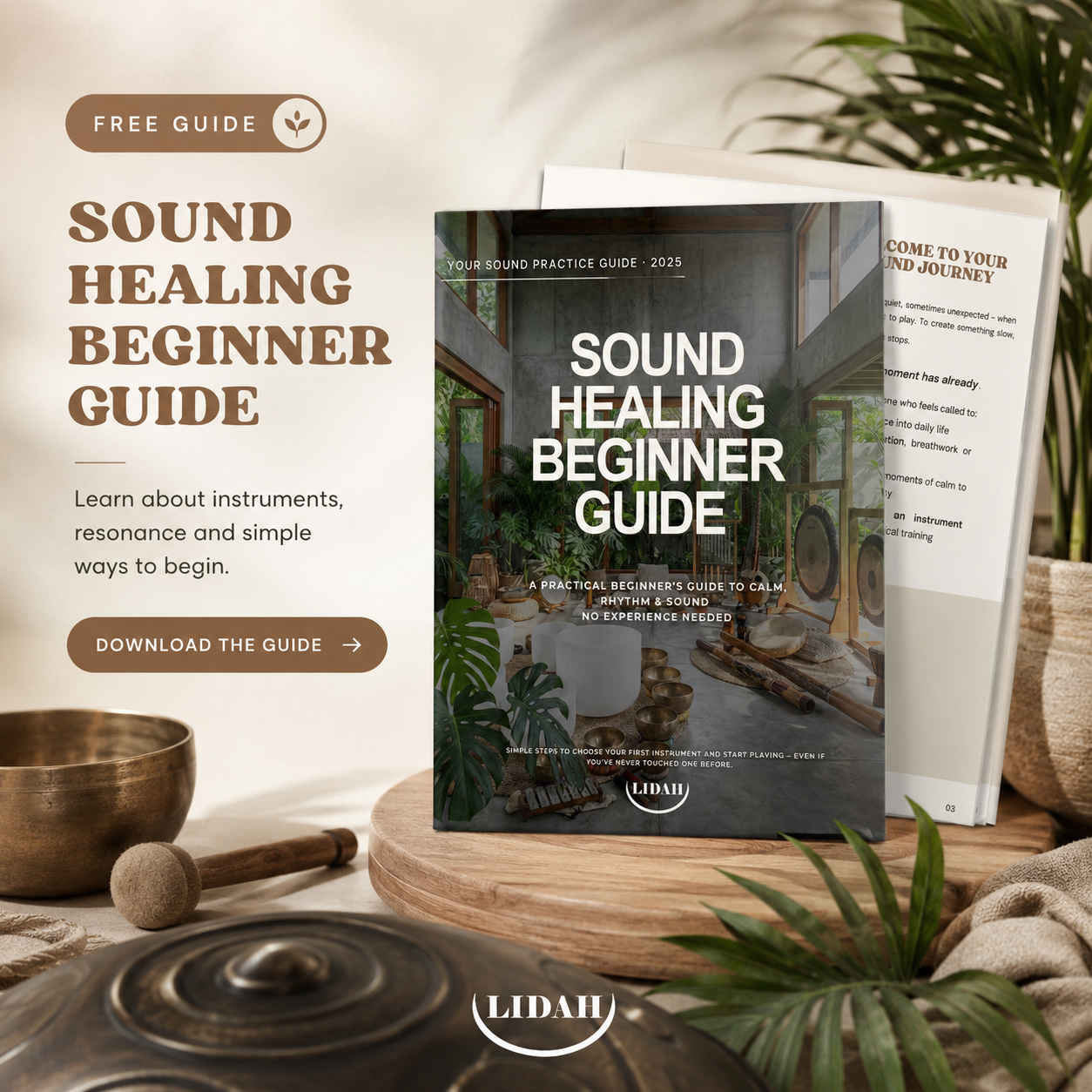
Download the FREE Sound Healing Beginner Guide and discover simple ways to bring calm, rhythm and sound into your daily life.
Submit your email and get our FREE beginner guide delivered instantly.
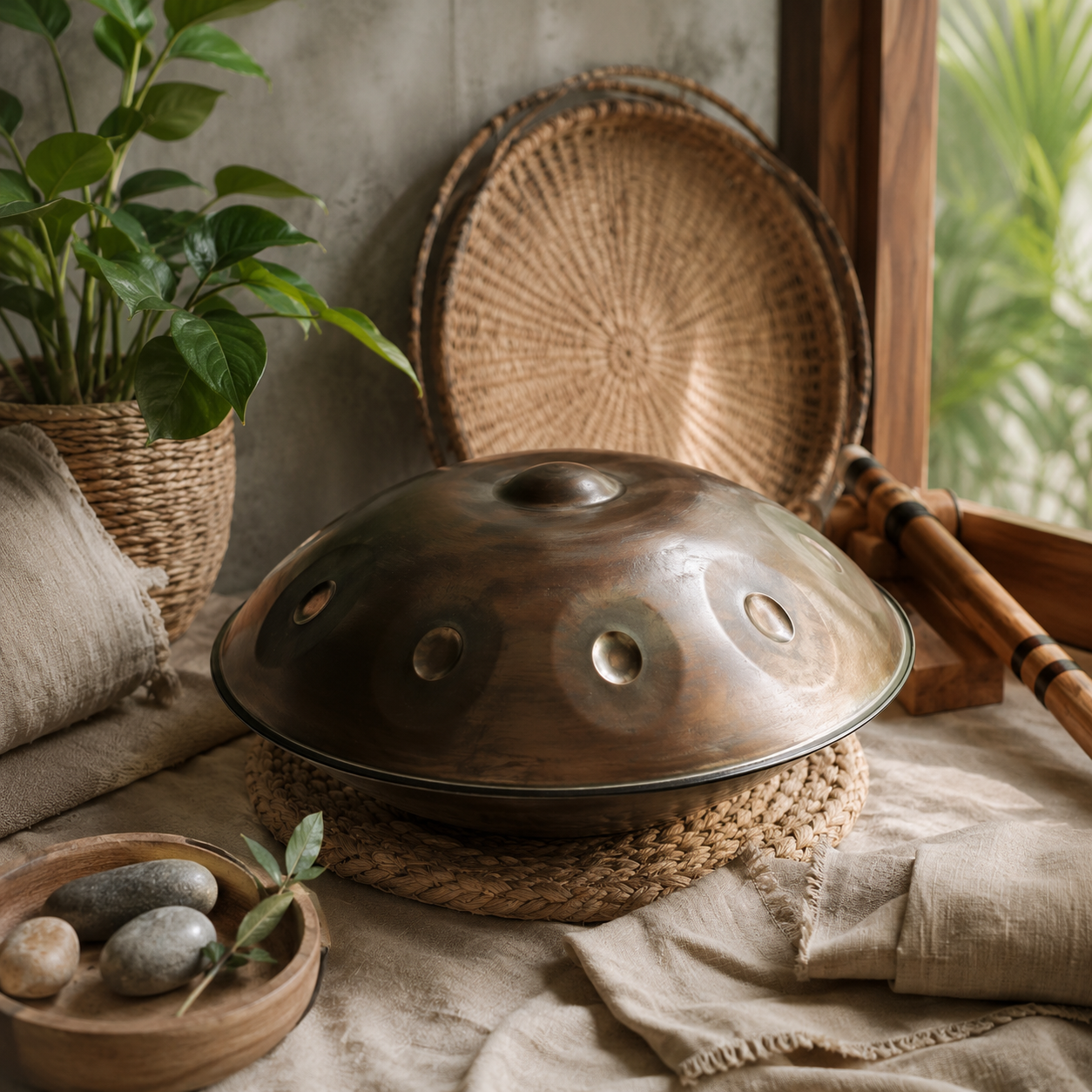
Maybe you have tried meditation apps or breathing exercises, but still miss something tangible, something you can hear, touch and return to. Sound gives your attention a place to go. You do not need another routine to master. You only need a simple place to begin.
This Guide Is for You If You…
✓ Are curious about sound healing but do not know where to begin
✓ Want a way to create a moment of calm without years of practice
✓ Are considering your first instrument but are unsure what suits you
✓ Want to introduce sound into your work as a therapist, coach or yoga teacher
✓ Are searching for an intuitive instrument for a child
You do not need to identify as a musician or sound healer. Curiosity is enough.
What You’ll Receive
A calm, accessible introduction to the world of sound healing and sound-based practice. Inside the guide, you will discover:
✔ Compare handpans, tongue drums, shamanic drums and singing bowls
✔ Understand the main types of sound instruments
✔ Choose your first instrument with more confidence
✔ Try simple, beginner-friendly sound exercises
Submit your email and get our FREE beginner guide delivered instantly.
Free guide · Beginner-friendly · No musical experience needed
Trusted by Musicians. Loved by Beginners.


You Do Not Need to Be Musical to Begin
You do not need to read music, know theory or have years of training.
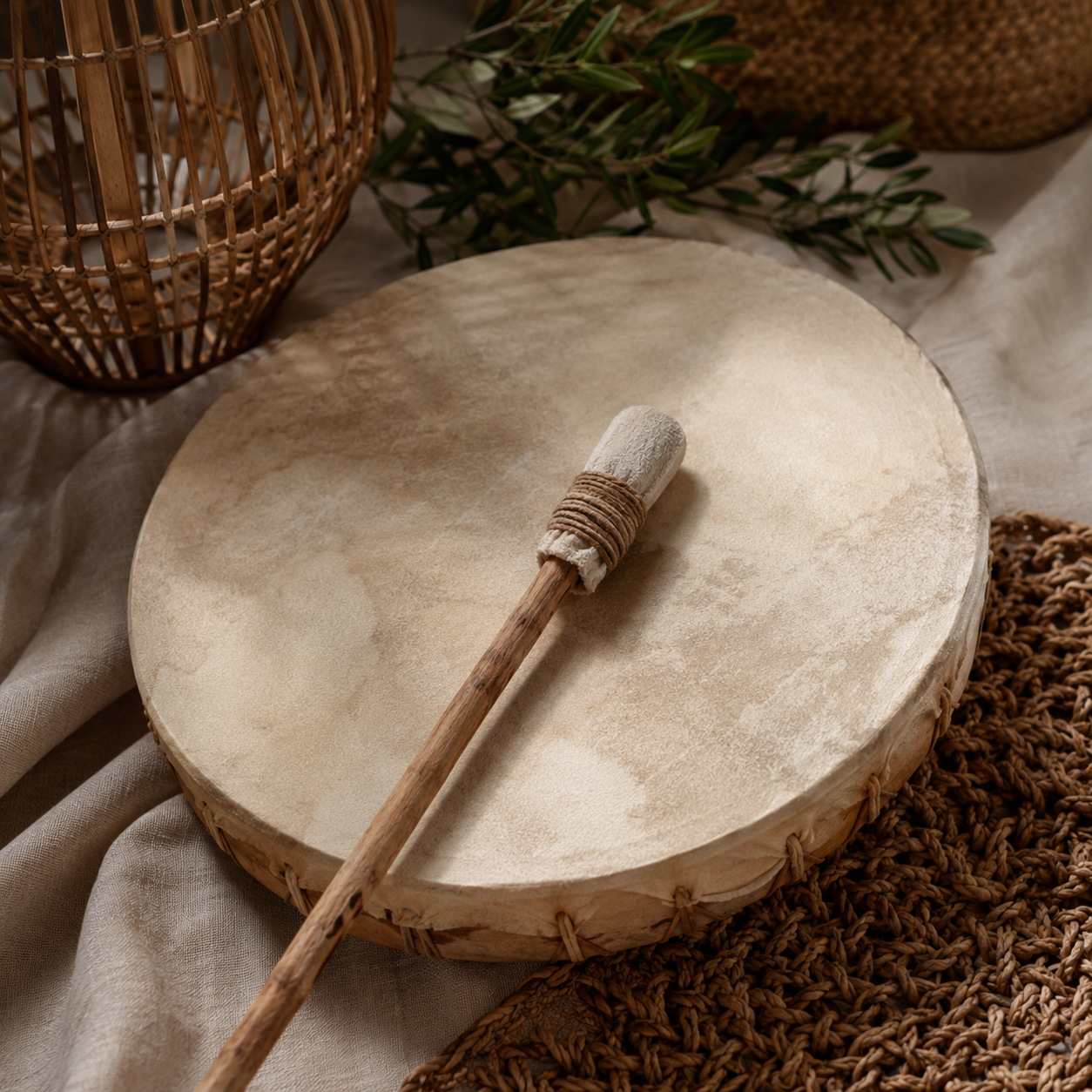
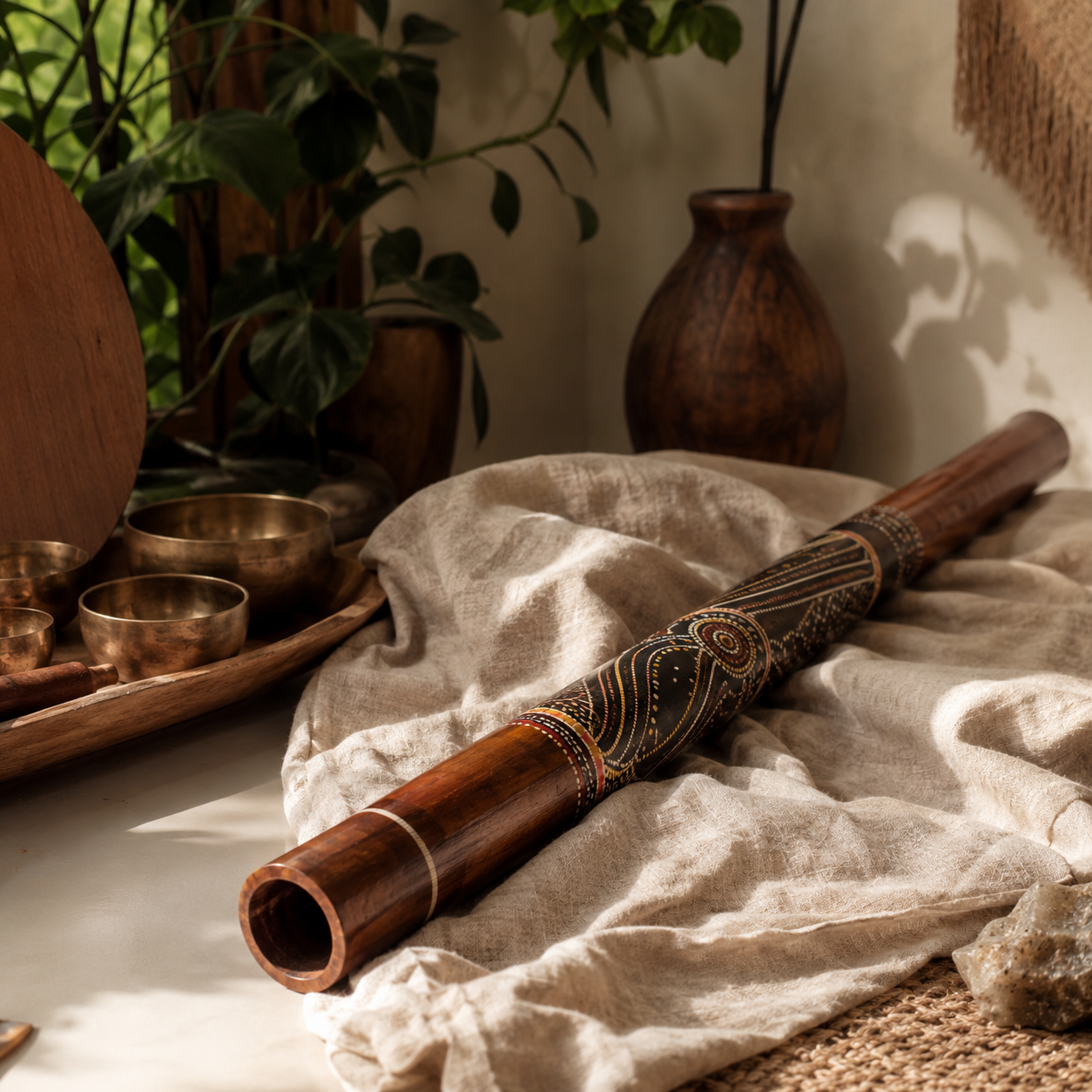
Many sound healing instruments are intuitive by nature. A handpan or tongue drum is already tuned in a scale, so the notes naturally fit together. A shamanic drum can begin with one simple heartbeat rhythm. A didgeridoo or gentle hum can help you connect sound with breath.
The guide shows you how to begin slowly, simply and confidently.
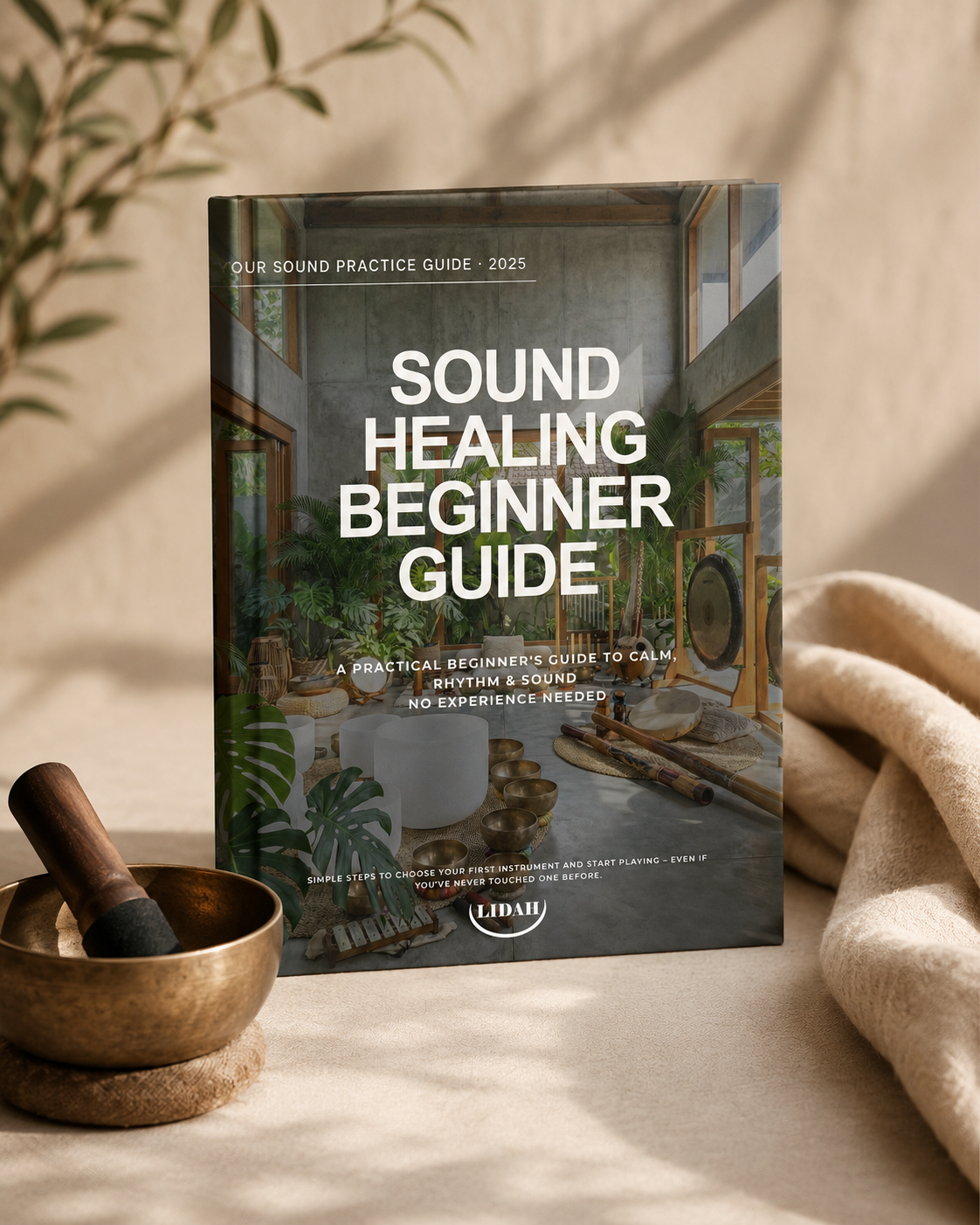
A Practical Beginner’s Guide to Calm, Rhythm & Sound
Inside chapters include
- What Sound Healing Means in Everyday Practice
- Five Types of Sound Instruments Explained
- Choosing an Instrument for Your Intention
- Melody, Rhythm, Drone and Resonance
- Simple Exercises for Your First Week
- Creating a Sound Practice That Fits Your Life
Download The Sound Healing Guide
Your introduction into Sound Healing
Popular Starting Points
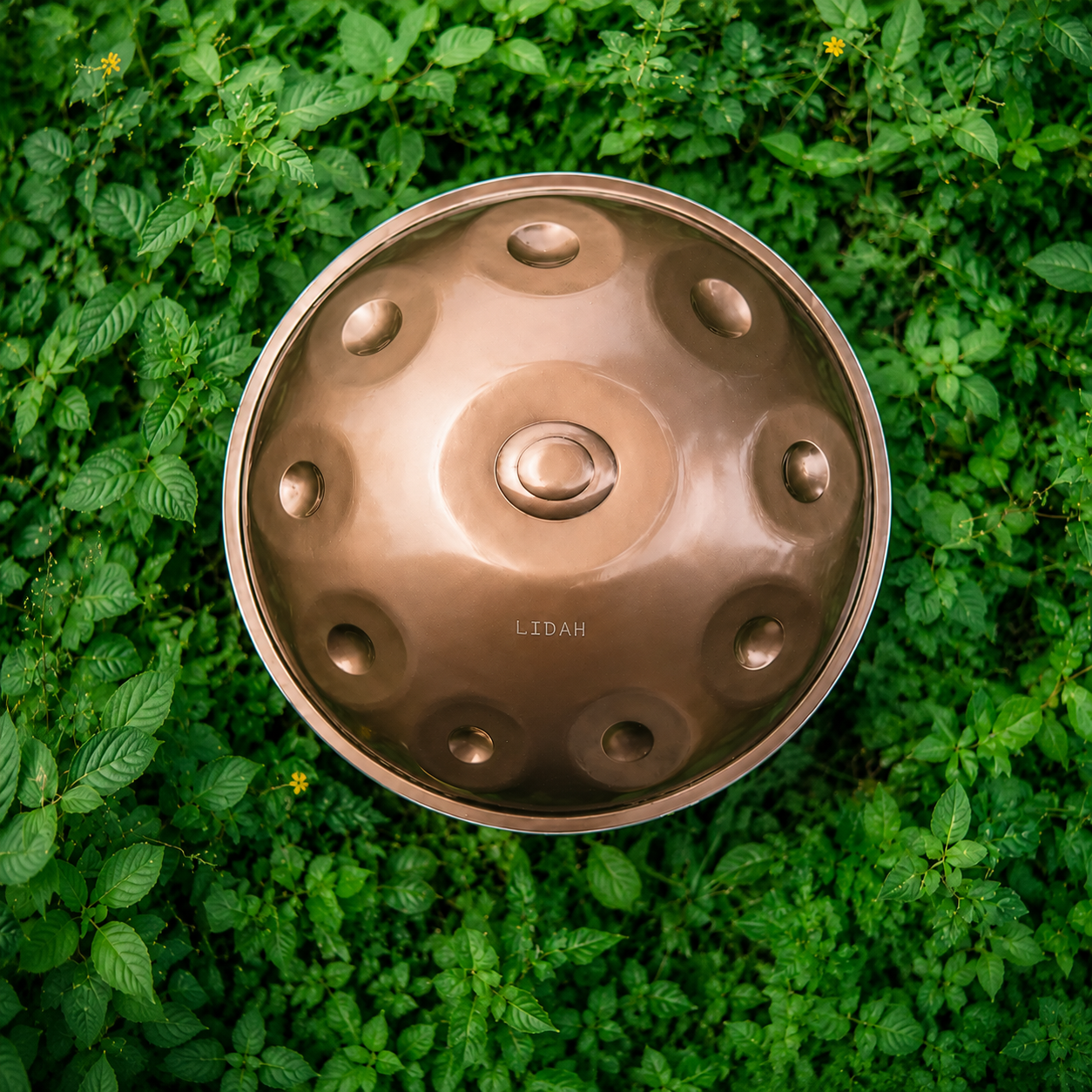
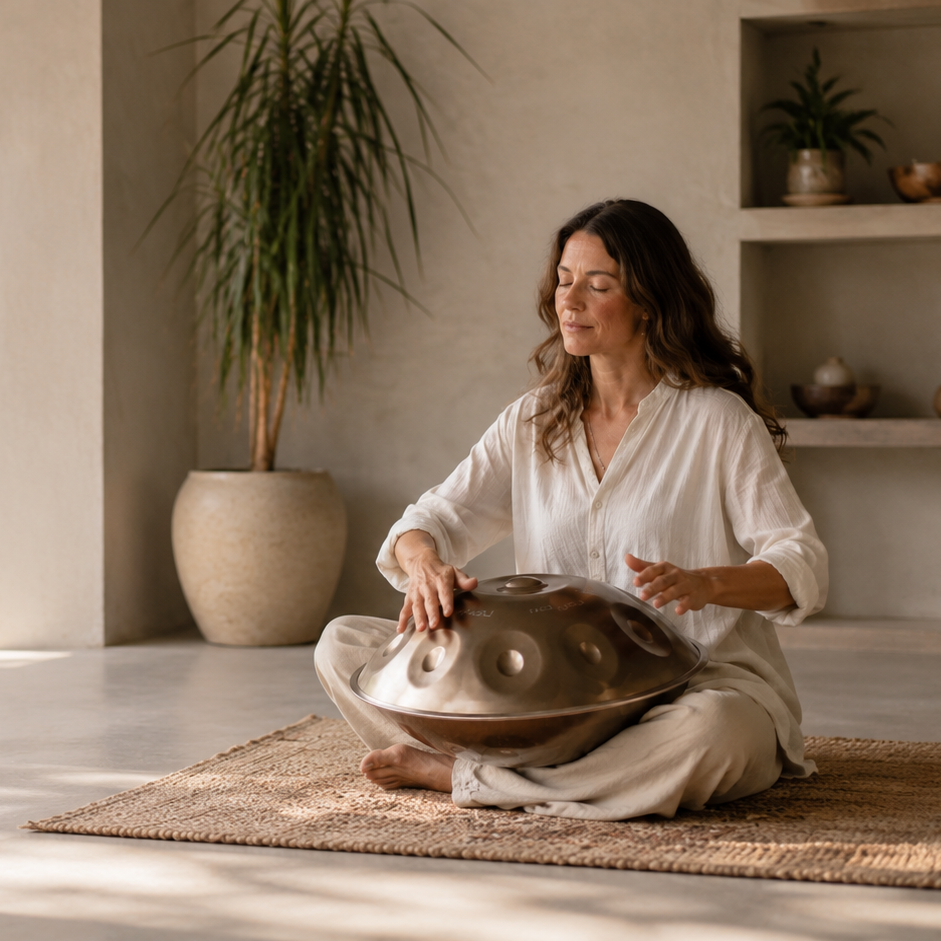
Handpans
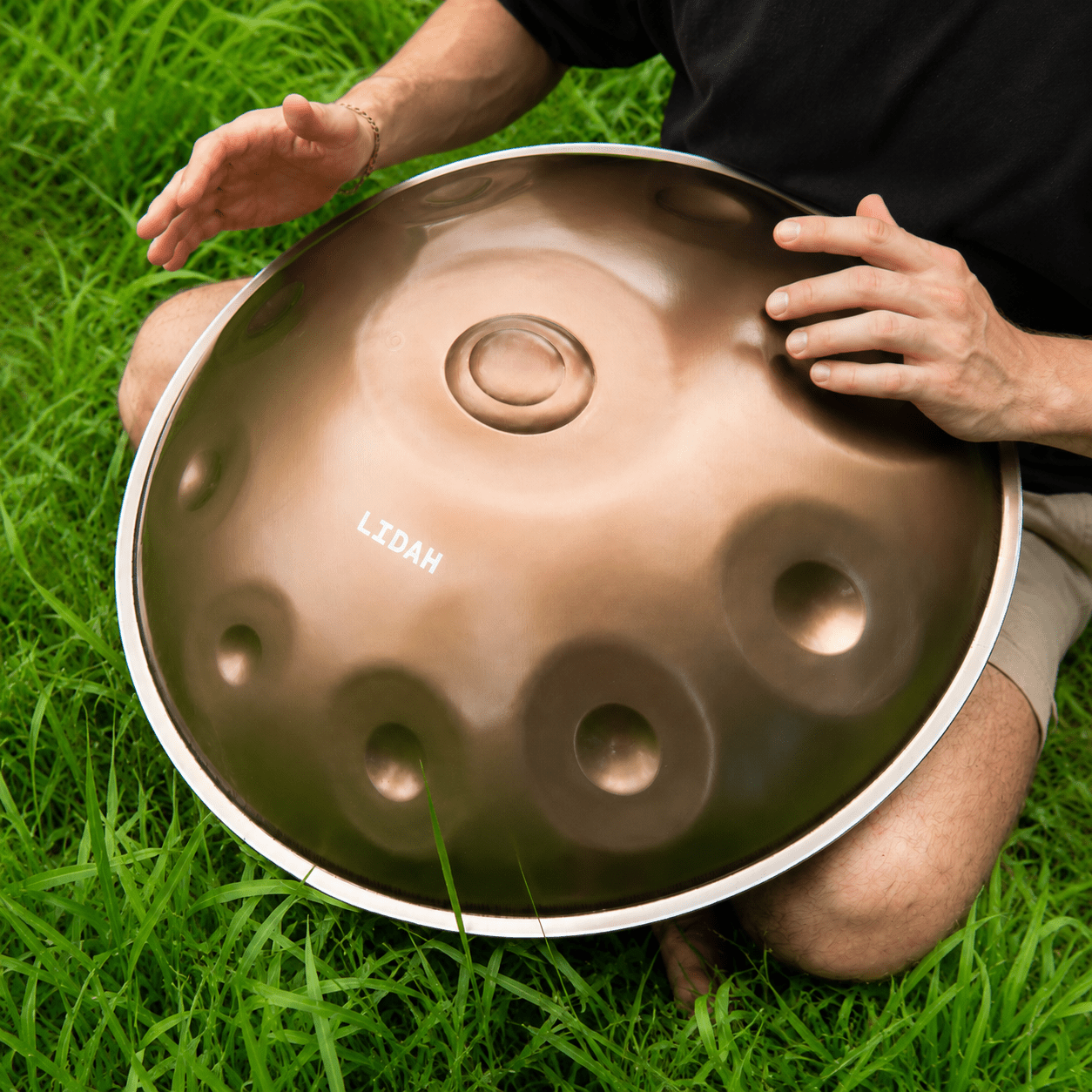
Played with the hands. The notes are arranged in a scale and naturally complement each other.
Often chosen for meditation, personal playing, intimate sessions and melodic sound journeys.
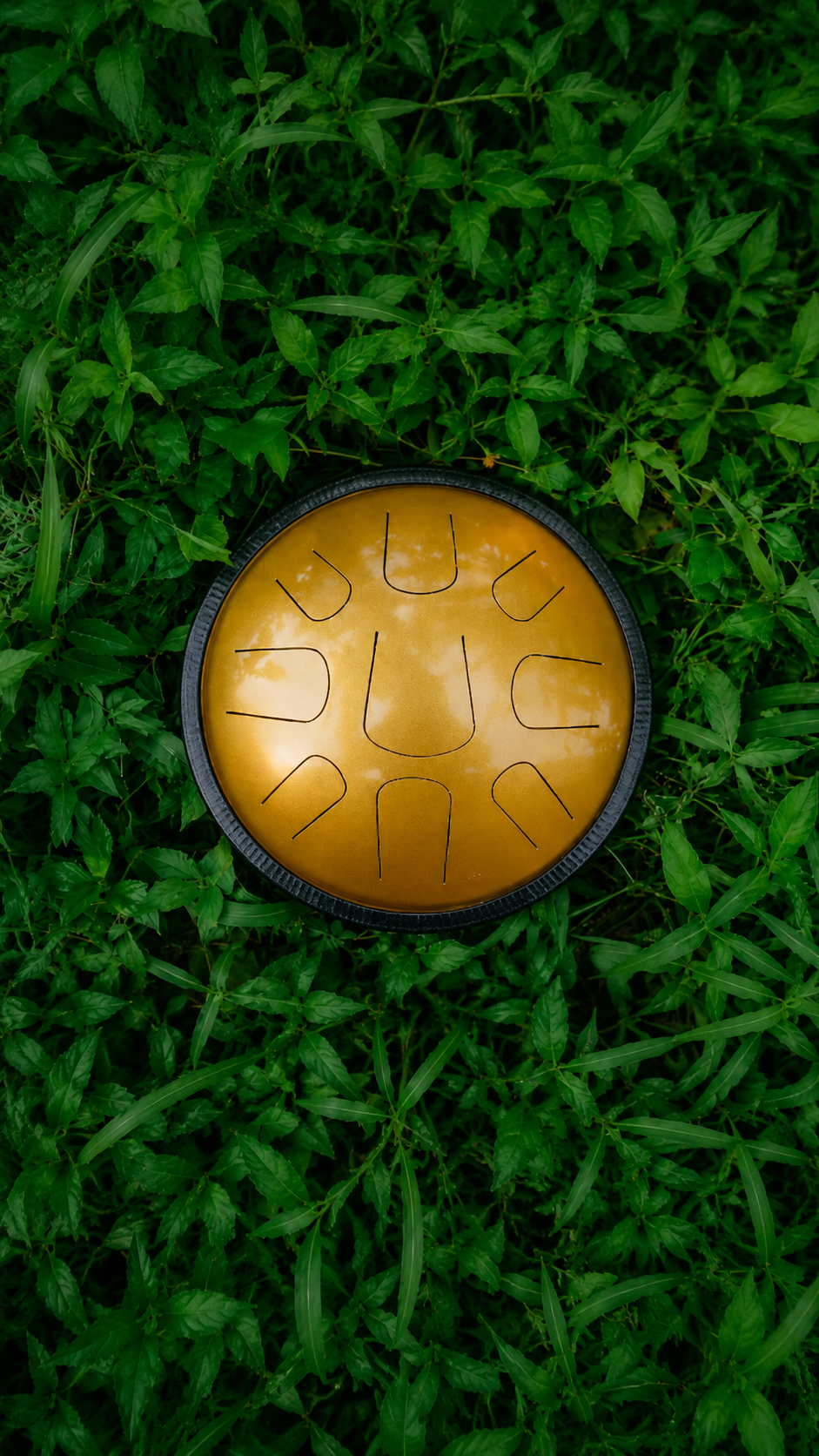
Tongue Drums
Can be played with the fingers or soft mallets. The notes fit together naturally and require little technical preparation.
Often chosen for relaxation, beginner practice, classrooms, children and quiet therapeutic settings.
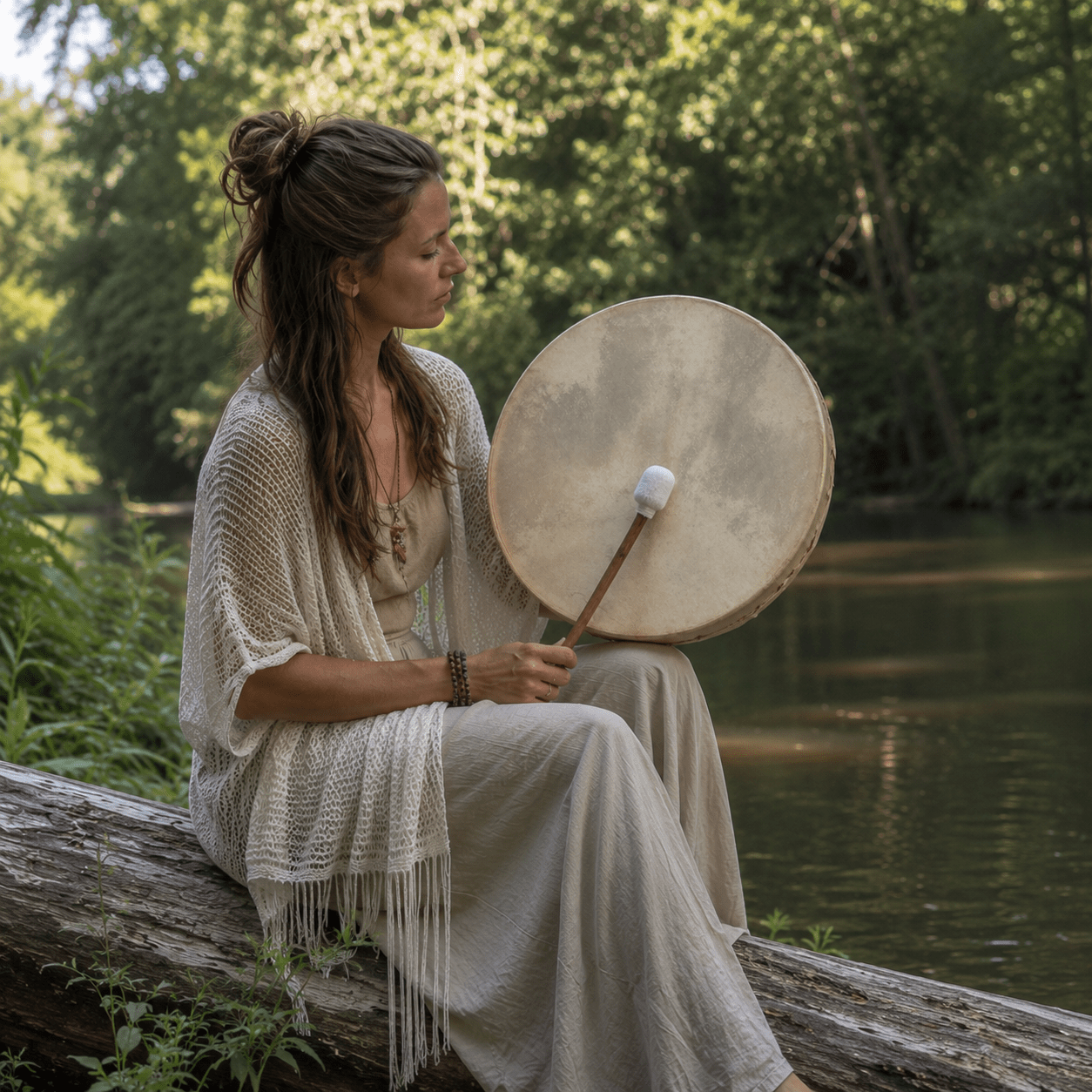
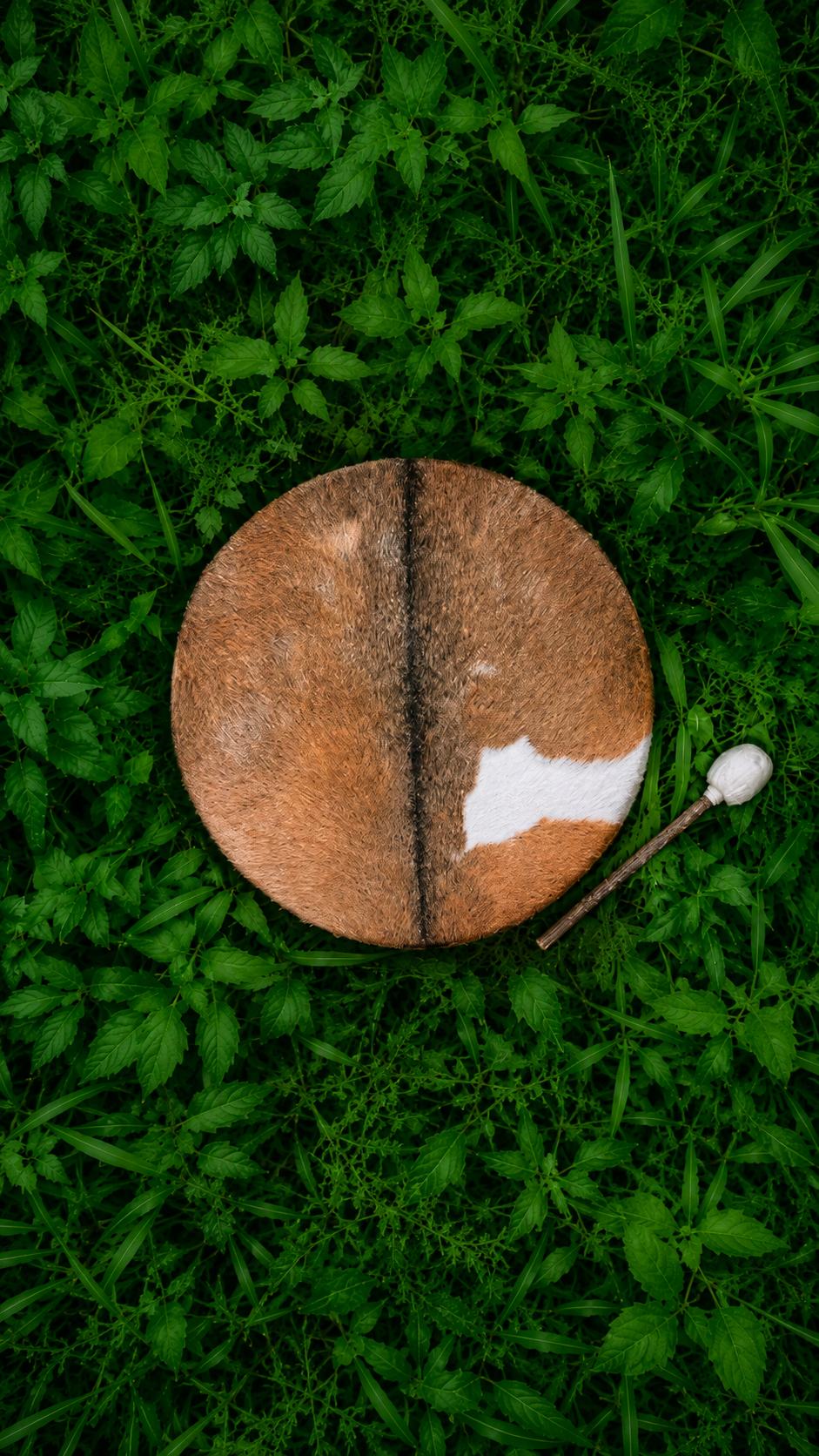
Shamanic Drums
A simple repeated pulse is enough to begin. The focus is more on rhythm and physical resonance than melody.
Often chosen for grounding practices, breathwork, group rhythm and ceremonial or reflective settings.
Singing Bowls
A bowl can be struck gently or played around its rim, depending on its design and material.
Often chosen for meditation, transitions, breathwork, opening and closing sessions and focused listening.
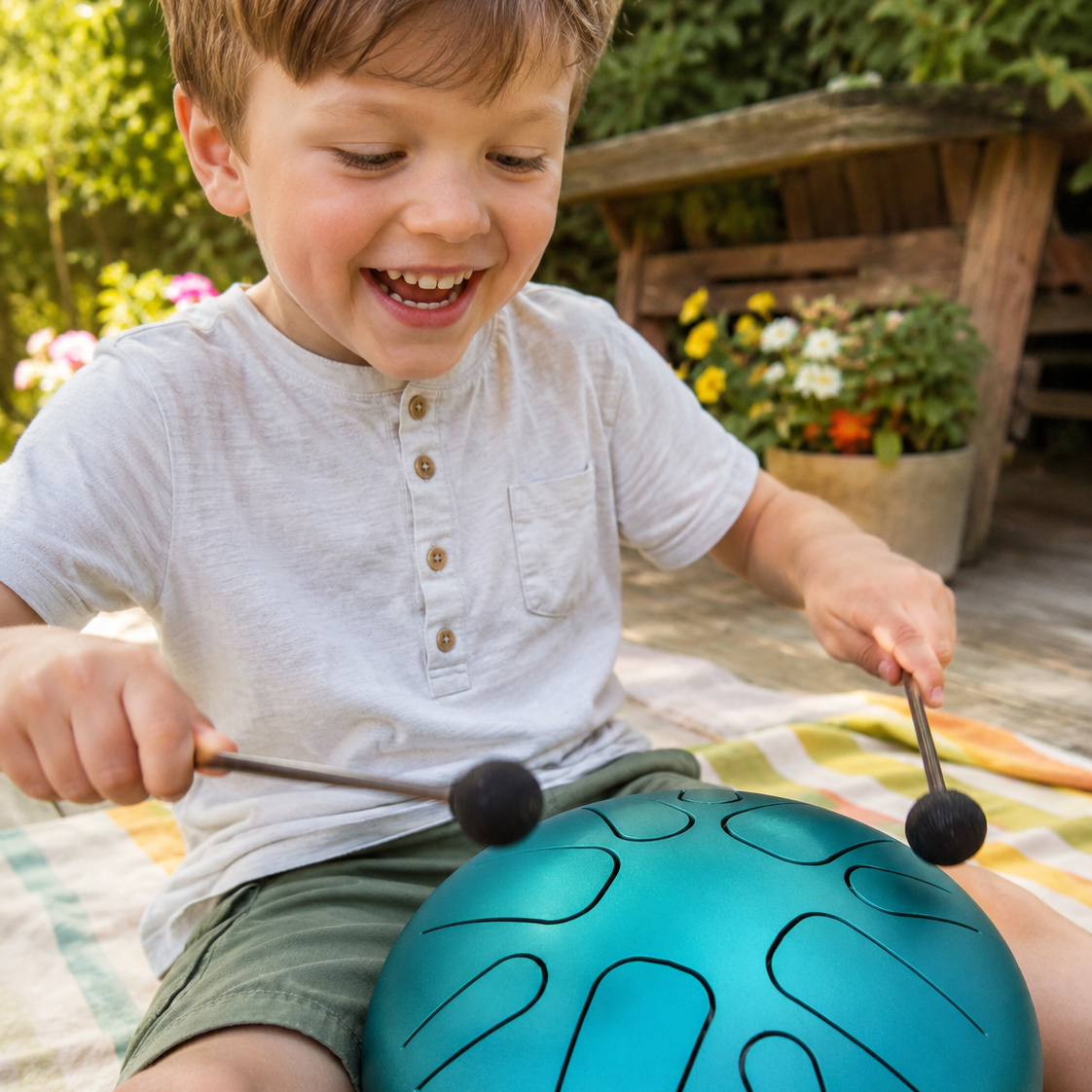
Looking for a First Instrument for a Child?
A tongue drum is often an approachable way for children to explore music and sound.
The notes are tuned to work together, so a child can experiment freely without needing to learn complicated finger positions or chord patterns.
Their compact format and intuitive layout make them a gentle introduction to rhythm, listening and musical curiosity.
Your first instrument should feel like a friend, not a challenge.
Your first instrument should feel like a friend, not a challenge.
Forget what looks advanced or popular. If you feel drawn to a soft tongue drum, start there. If the sound of a handpan stays with you, listen to that. If a deep frame drum feels grounding, follow that feeling.
The guide helps you choose based on your intention, your space and the kind of calm you want to create.
A Simple Way To Start
Carefully selected combinations of instruments that complement each other, so you do not have to build your first setup entirely from scratch.
LIDAH® Sound Healing Sets for Beginners


What Makes Our Instruments Different
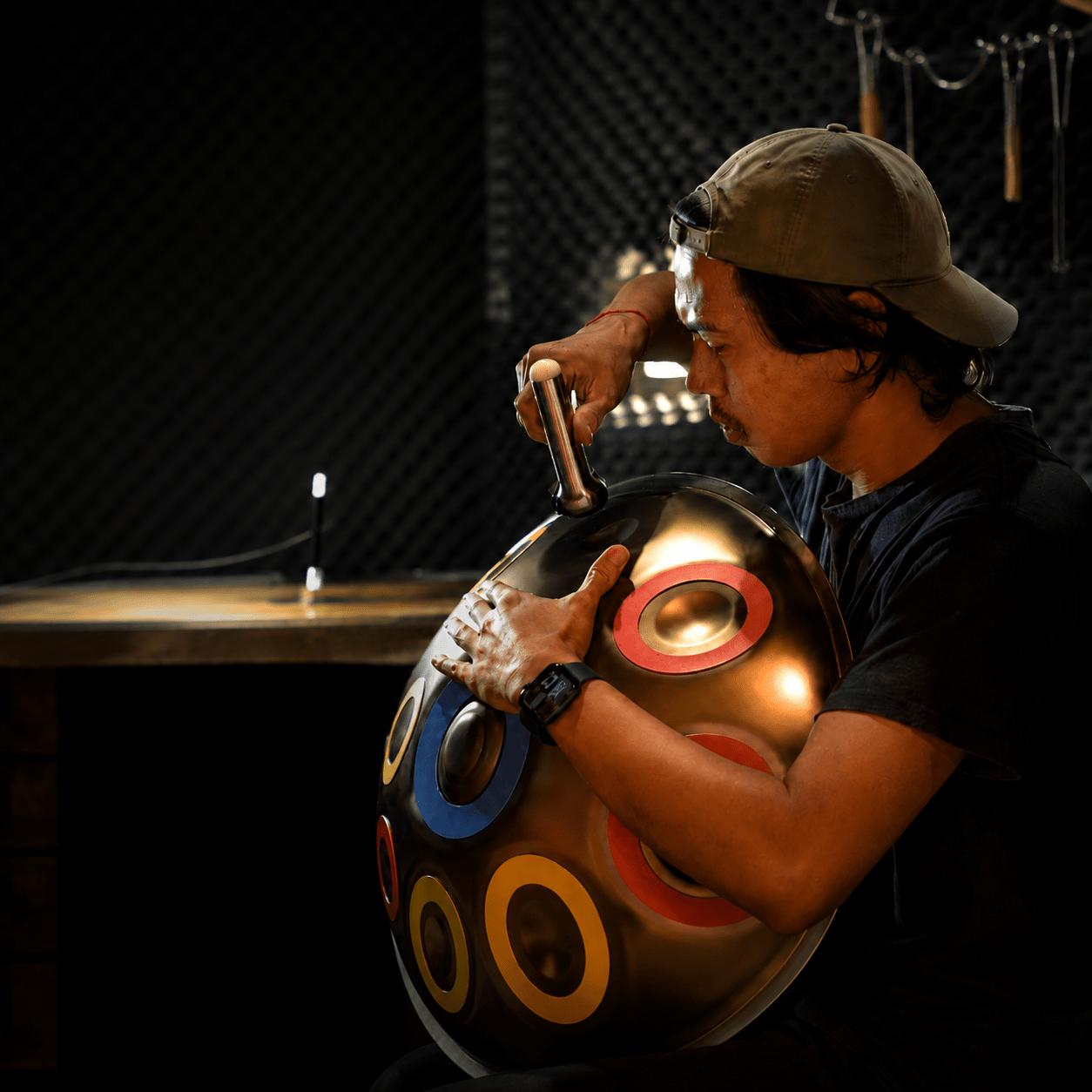
Our instruments are made in our workshop in Bali in small production runs.
Each instrument is shaped, finished, tuned and checked with attention to its individual sound. The process is hands-on, because small adjustments can change the response and balance of the complete instrument.
We work with a small team rather than anonymous mass production. The people behind the instruments are people we know and work with directly.

See How Our Instruments Are Made
Trusted by Musicians and Sound Practitioners
And Rate Us 4.9/5 ★ - Trusted Worldwide




Frequently Asked Questions
Sound healing is a broad term for practices that use sound, rhythm and vibration to support experiences such as relaxation, attention, meditation or reflection. Sessions may use instruments such as singing bowls, handpans, drums, gongs or the voice. It should not be presented as a replacement for medical or psychological treatment.
A handpan is played with the hands and usually produces a rich, spacious and highly responsive melodic sound. A tongue drum uses cut or shaped tongues that can be played with fingers or mallets. Tongue drums are generally more compact and especially accessible for complete beginners, quiet spaces and children.
A singing bowl is a metal or crystal instrument that creates a sustained resonant tone. Depending on the bowl, it can be struck with a mallet or played around the rim. Singing bowls are often used during meditation, breathwork, quiet transitions and sound sessions because one tone can continue resonating for an extended moment.
No. Many sound healing instruments are suitable for complete beginners. Handpans and tongue drums are commonly tuned to scales in which the notes naturally work together. A singing bowl or drum can also begin with a single tone or repeated rhythm. The aim does not have to be technical performance; careful listening is a valuable starting point.
The best instrument depends on the experience you want. A tongue drum is compact and intuitive. A handpan offers a richer melodic experience but represents a larger investment. A singing bowl focuses on sustained resonance, while a shamanic drum is more rhythmic and physical. The free guide helps you compare these options.
A tongue drum is often a suitable first sound instrument for children because its notes are arranged to sound harmonious together and it can be played with simple hand movements or mallets. The appropriate model depends on the child’s age, size and intended use. Adult supervision may still be appropriate depending on the instrument and accessories.
Many sound healing courses work with instruments such as drums, singing bowls, handpans and other resonant instruments. The precise requirements differ by course, teacher and certification programme. Check the equipment list supplied by your training provider before purchasing. LIDAH® can help you compare instruments once you know what your programme recommends.
No. LIDAH® focuses on making and supplying sound instruments rather than providing professional sound healing certification. We can explain the practical differences between instruments and help you select an option that matches your personal practice or the requirements of an external course.
Begin by choosing one main sound layer. This may be melody from a handpan or tongue drum, rhythm from a shamanic drum or sustained resonance from a singing bowl. You can then add contrasting instruments gradually. A balanced set often combines melody, rhythm and resonance, but there is no requirement to purchase everything at once.
Yes, LIDAH® ships instruments to customers in many countries. Available delivery methods, costs and estimated transit times depend on the destination and instrument. Enter your delivery address during checkout to see the current options, or contact the LIDAH® team for advice about an international order.
Begin Exploring Sound Without Choosing an Instrument Yet
You do not need to know which instrument you want.
You do not need to understand music theory.
The free Sound Healing Beginner Guide will help you explore the possibilities calmly, compare the most popular instruments and discover what may fit your life.
Free · Made for beginners · No musical experience needed · Delivered directly to your inbox