


Naar inhoud

Winkelwagen

Shop our bestsellers now →

Artikel: 11 kenmerken van een hoogwaardige handpan!

High-quality handpan tuning and resonance guide
Handpan

11 kenmerken van een hoogwaardige handpan!

Choosing your first handpan can feel overwhelming. With so many makers, materials, and scales available today, it can be difficult to know what actually determines the quality of a handpan.

If you are new to the instrument or planning to buy your first handpan, understanding a few key characteristics can help you make a confident decision.

In this guide we explain 11 important signs of a high-quality handpan, from tuning and resonance to craftsmanship and durability. These insights will help you recognize a well-made instrument and choose a handpan that truly resonates with you.

If you're still exploring the basics of the instrument, you may also enjoy reading our Handpan Beginner Guide, where we explain how to choose your first handpan step-by-step.

Why Handpan Quality Matters

Not all handpans are created equal. If you're completely new to the instrument, you may first want to understand what a handpan is and how it works.

The craftsmanship, materials, and tuning process all influence the sound and longevity of the instrument. A well-made handpan offers:
• Rich and balanced tones
• Stable tuning
• Long sustain
• A responsive playing experience

Understanding what to look for when buying a handpan will help you avoid poorly made instruments and find one that you can enjoy for many years.

Because handpans are handcrafted instruments, the skill and experience of the maker play a major role in the final sound. Learning how to recognize quality will help you make a much more confident decision.

11 Signs of a High-Quality Handpan


1. Balanced Tuning

The most important sign of a high-quality handpan is balanced tuning.

Each note on the handpan should be tuned so that it harmonizes naturally with the other notes. When you play individual notes or simple combinations, the sound should feel clear, stable, and balanced.

Poorly tuned handpans often produce unpleasant dissonance or unstable tones when multiple notes are played together.

When testing a handpan, try:
• Playing different note combinations
• Listening carefully for unstable tones
• Checking if chords sound natural and balanced

A well-tuned handpan will feel harmonious across the entire instrument.

 TIP: When trying out a handpan, you can use a tuning app on your phone to get a general idea of the tuning accuracy. While a phone tuner is not perfect, it can show whether notes are reasonably close to their intended pitch. If the deviation from the note is large or inconsistent, this can indicate poor tuning. 
handpan tuning example perfectly tuned note  handpan tuning example slightly off pitch note handpan tuning example badly tuned handpan note
Perfectly tuned note              Great tuned note                    Badly tuned note

2. Rich Resonance

Another important sign of a quality handpan is rich resonance.

Resonance refers to how the sound develops and fills the space when a note is played. A well-crafted handpan produces tones that feel full, warm, and vibrant rather than metallic or flat.

To test resonance, try playing the handpan in different environments:
• A quiet room
• A larger open space
• Outdoors

A high-quality handpan will maintain a beautiful, clear sound across different environments. The notes should blend together naturally and create a pleasant lingering tone.


3. Transparency from the Maker

Transparency from the maker is another strong indicator of quality. If you want to learn more about why the maker plays such an important role, read our guide on why the handpan maker matters when choosing an instrument.

Because good quality handpans are handcrafted instruments, the process behind them matters. Reputable makers are usually open about:
• Where their handpans are made
• Which materials they use
• How the tuning process works

A trustworthy maker should be happy to answer your questions and explain how their instruments are built.

If you are interested in learning more about how handpans are crafted, you can watch the video below where we show part of the handpan making process in our workshop.

 TIP: When searching for a lower-priced handpan, it is often better to buy a simpler or smaller instrument from a reputable maker rather than a complex handpan from an unknown brand. For example, many beginners choose a mini handpan as their first instrument because it is easier to play and more affordable.


4. Wide Dynamic Range

A high-quality handpan should have a wide dynamic range.

This means the instrument responds well to different playing intensities. When played softly, it should produce gentle and subtle tones. When played more strongly, the sound should become fuller and more powerful without losing clarity.

Try experimenting with different playing techniques such as:
• Soft finger taps
• Stronger strikes
• Palm techniques

A well-crafted handpan will respond beautifully to variations in touch, allowing for expressive playing.

  TIP: If you are new to the handpan, it can help to bring someone with experience or ask the seller to demonstrate the instrument with different playing techniques.

5. “Sustain”

Sustain refers to how long a note continues to resonate after it has been struck.

A high-quality handpan typically has a smooth and stable sustain that can last several seconds. This allows players to create flowing melodies and longer musical phrases.

Different materials produce different sustain characteristics. For example:
Stainless steel handpans have longer sustain
Ember steel handpans also produce long, warm resonance
Nitrided steel handpans usually have a shorter but more controlled sustain

If you would like to learn more about these materials, you can read our article about which type of steel you should choose for your handpan..

  TIP: Strike a note and listen carefully to how the sound develops. If the tone disappears very quickly or becomes unstable, this may indicate a lower-quality instrument.


stainless steel handpan sustain and resonance example     nitrided steel handpan material and sustain comparison  ember steel handpan material sustain comparison

Stainless Steel                                Nitrated Steel                            Ember Steel

6. Clear Harmonics

Harmonics are the subtle overtones that appear when a note is played.

A well-crafted handpan produces clear and well-defined harmonics, which add depth and richness to the sound.

When playing single notes, listen carefully for the additional tonal layers that emerge. These harmonics should feel balanced and pleasant rather than chaotic or distorted.

The clarity of these harmonics is one of the elements that gives high-quality handpans their immersive and calming sound.


7. Durability

Durability is another important factor when choosing a handpan.

A good instrument should be able to withstand regular playing and occasional travel without losing its structural integrity.

High-quality handpans are usually made from specialized steels such as:
• Stainless steel
• Nitrided steel
• Ember steel

These materials provide good resistance to corrosion and help maintain stable tuning.

Proper maintenance will also help your instrument stay in excellent condition. You can learn more in our guide on how to care for your handpan.


8. Reputation

A strong reputation is often a good indicator of a reliable handpan maker. 

Before purchasing a handpan, it can be helpful to:
• Read reviews from other players
• Watch sound demonstration videos
• Explore the maker’s website and social media

Handpan communities on forums or social platforms can also provide valuable insights about different makers and instruments. A maker with many satisfied players usually indicates consistent craftsmanship and quality.

You can also learn more about the philosophy and background of a maker by reading their story and approach to building instruments.


9. Comfortable Playability

A high-quality handpan should feel comfortable and natural to play.

The placement of the notes should allow your hands to move easily across the instrument without awkward movements. A responsive surface also makes it easier to control dynamics and tone.

This aspect is partly subjective, but comfort plays a big role in how enjoyable the instrument feels. When you find a handpan that suits you well, playing often feels intuitive and effortless.

person playing a handcrafted handpan instrument

10. Aesthetically Pleasing Design

While sound quality is always the most important factor, the visual design of a handpan also contributes to the overall experience.

A well-crafted instrument often reflects the care and attention that went into its creation. Smooth finishing, balanced shaping, and thoughtful design can enhance the feeling of quality.

That said, appearance should always remain secondary to sound and playability.

  TIP: While this is not always the case, heavily painted or coated handpans are sometimes used to hide imperfections in lower-quality materials. High-quality makers usually rely on the beauty of the steel itself combined with proper maintenance.

11. Personal Connection

The final sign of a high-quality handpan is the personal connection you feel when playing it.

Beyond the technical aspects of tuning and resonance, the instrument should inspire you. Many players describe a feeling of calm, creativity, or emotional connection when they find the right handpan.

Choosing a handpan is often a personal journey. Taking your time and exploring different instruments can help you find one that truly resonates with you.

Once you find the right handpan, the experience can be incredibly rewarding, an instrument that allows you to relax, express yourself, and explore music in a natural way.


Frequently Asked Questions

What is the best handpan for beginners?

Many beginners start with a D Kurd handpan which is often recommended as one of the best handpans for beginners, because the scale is intuitive and forgiving. The notes harmonize naturally, making it easy to create beautiful melodies even without musical experience.

You can learn more in our guide about which handpan scale to choose.

Why are handpans expensive?

Handpans require extensive craftsmanship. Each instrument is shaped, tuned, and refined over multiple stages, often requiring many hours of work by experienced makers with expensive materials.

How long does a handpan stay in tune?

A well-made handpan can stay in tune for many years with proper care and normal playing conditions.


Ready to Explore Handpans?

Now that you understand what makes a high-quality handpan, the next step is discovering which scale, material, and size best fits your musical preferences. Many beginners start with the D Kurd scale, one of the most intuitive and versatile handpan scales.

You can explore our collection of handcrafted handpans and discover the different scales and materials available.


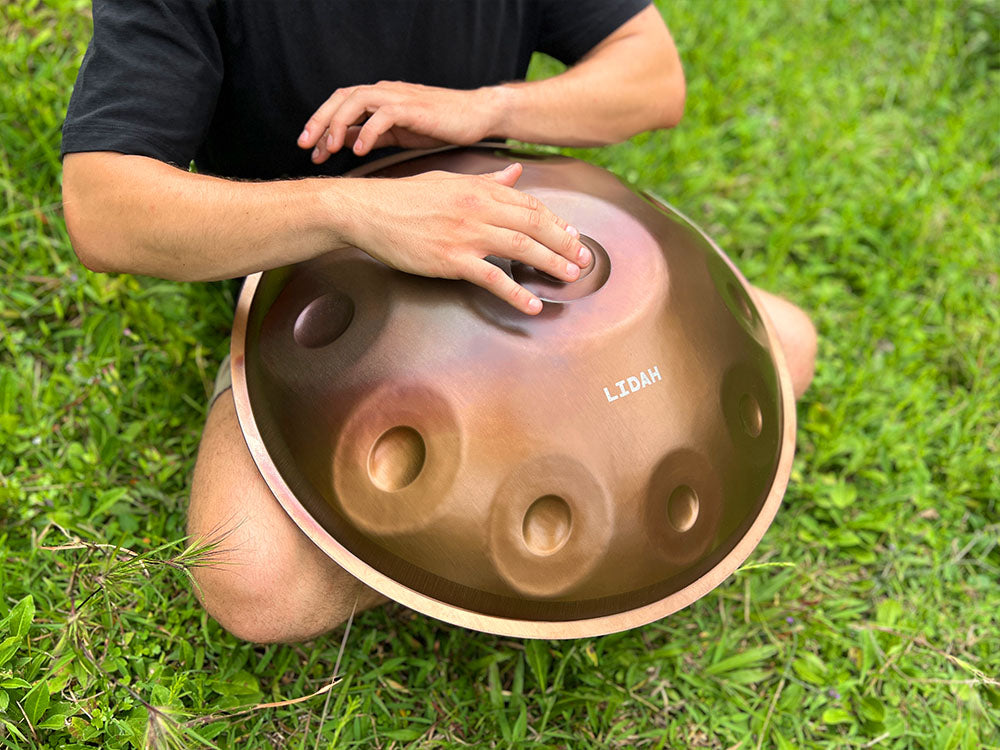
LIDAH® Ember Steel Handpan met warme, diepe resonantie

Discover Your Beginner Handpan

✔ Beginner Friendly: Easy to Play and Enjoy
✔ Deep, Soothing Tones that Calm the Mind
✔ Hand-Crafted for Durability and Premium Sound Quality

Explore Handpans

Lees meer

Handpan vs Tongue Drum: What’s the Difference?
Handpan

Handpan vs Tongue Drum: What’s the Difference?

Learn the key differences between handpans and tongue drums and discover which instrument suits you best.

Meer informatie
Best Handpan for Beginners: How to Choose Your First Handpan
Handpan

Best Handpan for Beginners: How to Choose Your First Handpan

Discover how to choose the best handpan for beginners, including the best scales, steel types, and number of notes.  

Meer informatie